
Prima balalaika example
Three strings, low to high
1E4
2E4
3A4
Prima EEA is a common reference only. Secunda, alto, bass and contrabass tunings differ.
A practical balalaika tuner guide for iPhone and iPad. Learn the reference notes, follow the tuning process and explore real Daikyouju apps.
The balalaika family ranges from the familiar prima to larger ensemble instruments. Their tuning needs differ substantially with instrument size and musical role.
Three strings, low to high
Prima EEA is a common reference only. Secunda, alto, bass and contrabass tunings differ.
Daikyouju Balalaika Tuner Pro identifies five balalaika types in its catalog: Prima, Secunda, Alto, Bass and Contrabass. Select the right instrument type before comparing the displayed note with your string.
Practice note: Confirm the exact balalaika type and regional tuning tradition before adjusting strings.
Follow these steps using the app and your instrument. They are general guidance, not a claim that every interface has identical buttons.
Identify the exact instrument and string count. For alternate tunings, confirm the target notes before changing string tension.
Launch your balalaika tuner on iPhone or iPad. If prompted, allow microphone access and select the relevant available preset.
Pluck one open string cleanly, then wait briefly for the pitch reading to stabilize.
Compare the detected note with your target. Make gradual peg or machine-head adjustments; avoid overtightening and stop if resistance feels abnormal.
Confirm the exact balalaika type and regional tuning tradition before adjusting strings. Play a familiar passage or chord afterward to confirm the result by ear.
Uncropped, original App Store promotional screenshots delivered from Apple's CDN. Each image opens in full size.
 Balalaika Tuner ProiPhone · View full image ↗
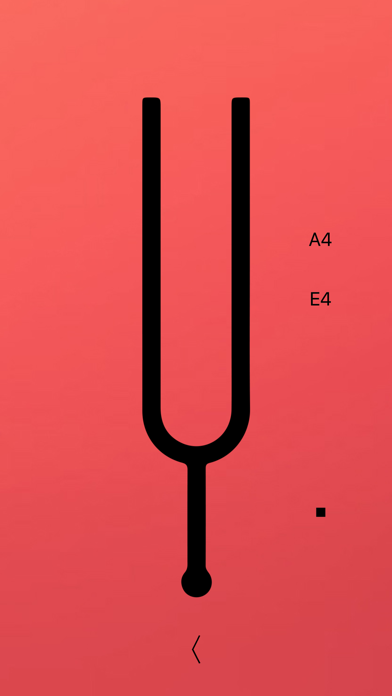 Balalaika Tuner ProiPhone · View full image ↗
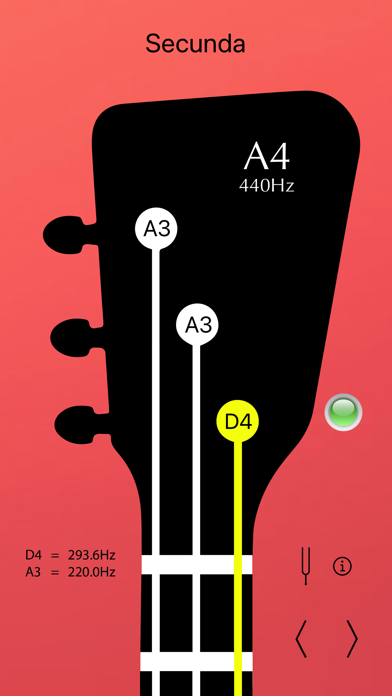 Balalaika Tuner ProiPhone · View full image ↗
 Balalaika Tuner ProiPhone · View full image ↗
 Balalaika Tuner ProiPad · View full image ↗
 Balalaika Tuner ProiPad · View full image ↗
 Balalaika Tuner ProiPad · View full image ↗
 Balalaika Tuner ProiPad · View full image ↗
Swipe or scroll sideways to explore
Compare the editions using features from each app's published catalog. App Store listings remain the source of truth for current pricing and compatibility.

Supports five different types of balalaika.
A few common situations and practical ways to address them.
Prima, secunda, alto, bass and contrabass are not interchangeable.
On a prima setup the two E strings can intentionally match.
Daikyouju Labs publishes dedicated music apps for iPhone and iPad. Compatibility, supported iOS/iPadOS versions and feature availability differ by app and may change; verify your device against the live App Store listing.
Compare the actual presets and features of the versions listed below. A Pro edition may offer additional tuning options or tools, but always confirm its current App Store description and price before downloading.
Start with the note sequence required by your instrument, arrangement or teacher. Confirm the exact balalaika type and regional tuning tradition before adjusting strings.
Keep learning and explore the tuners made for the music you play.
Browse all instrument guides →